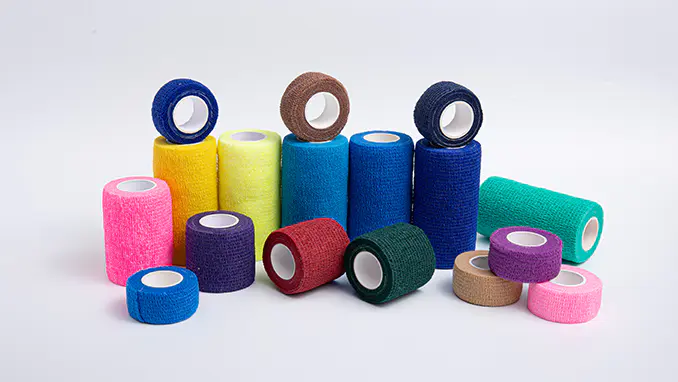
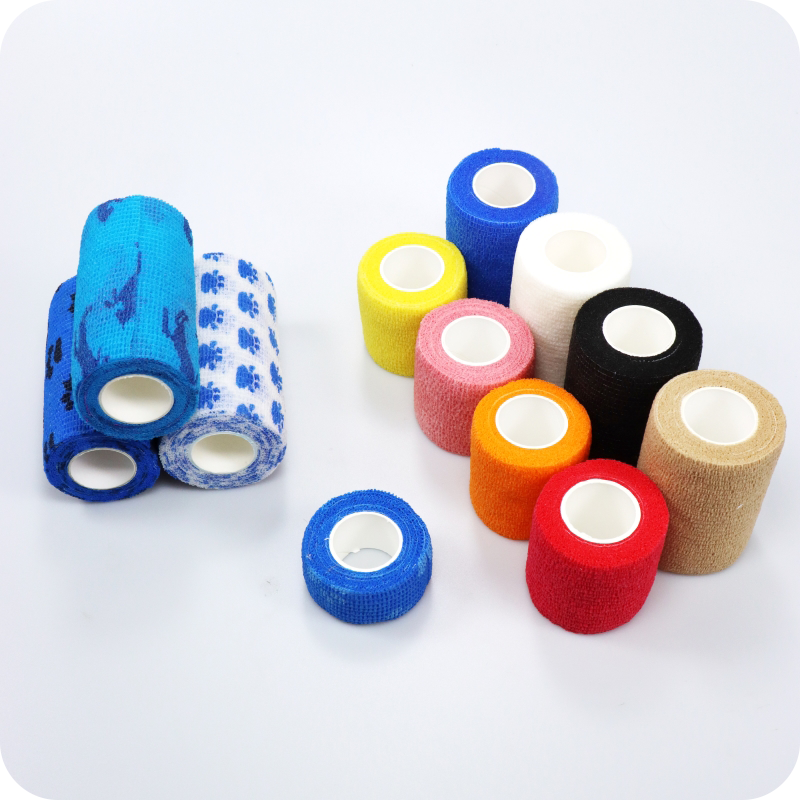
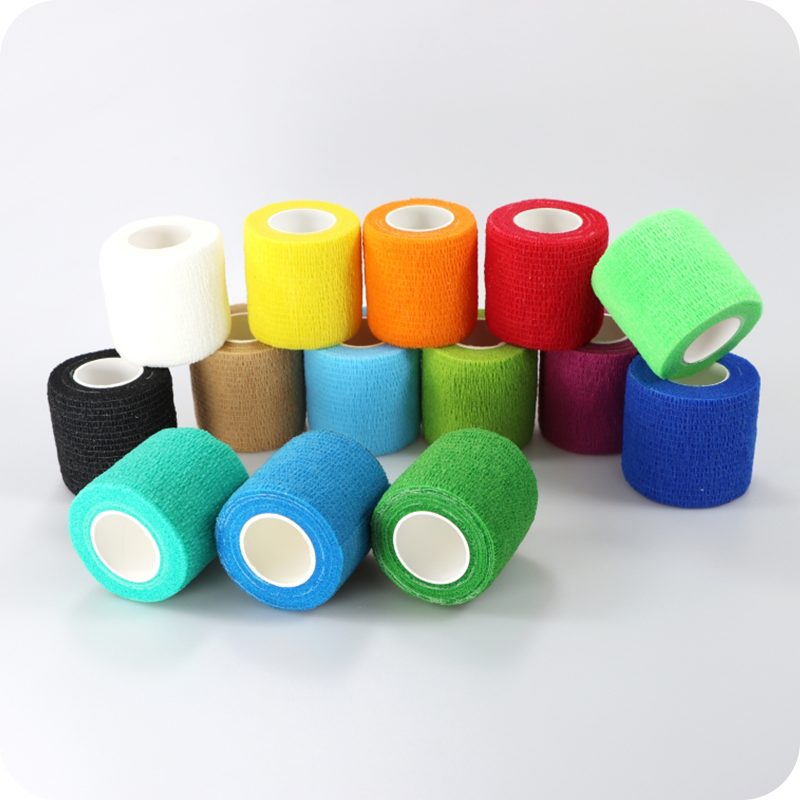
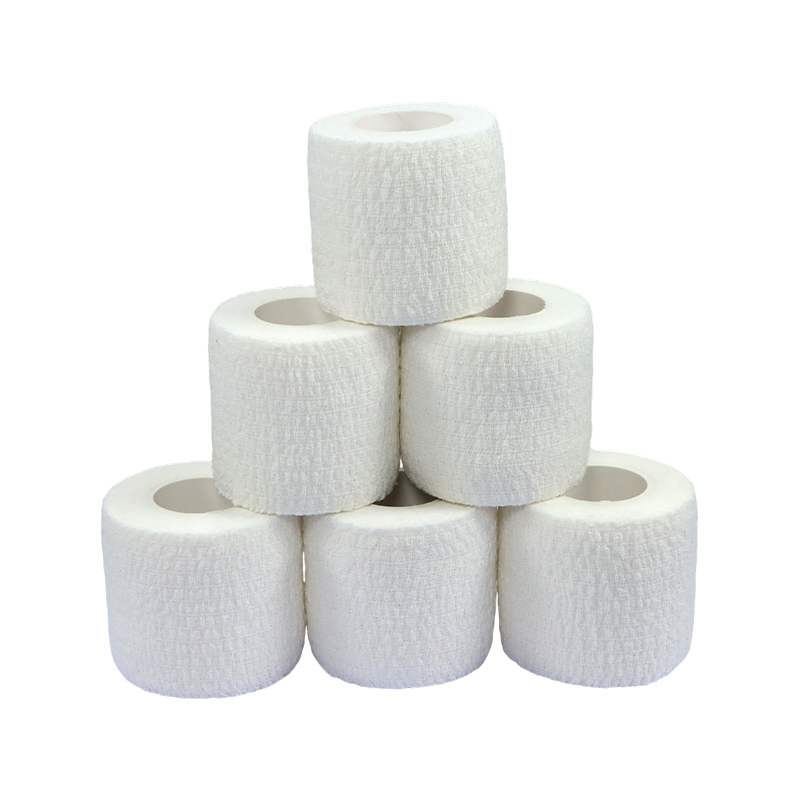
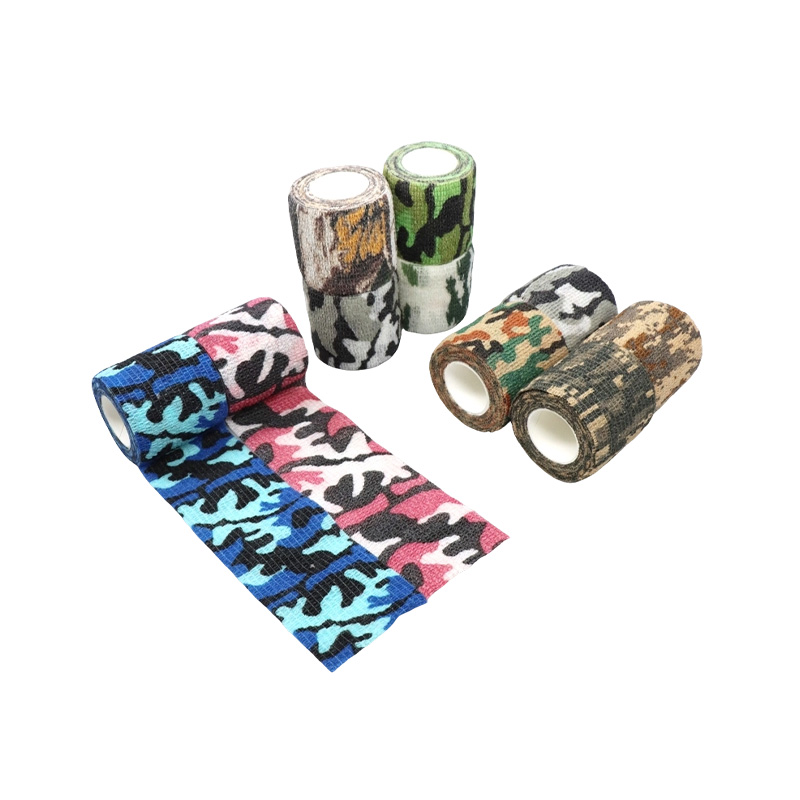
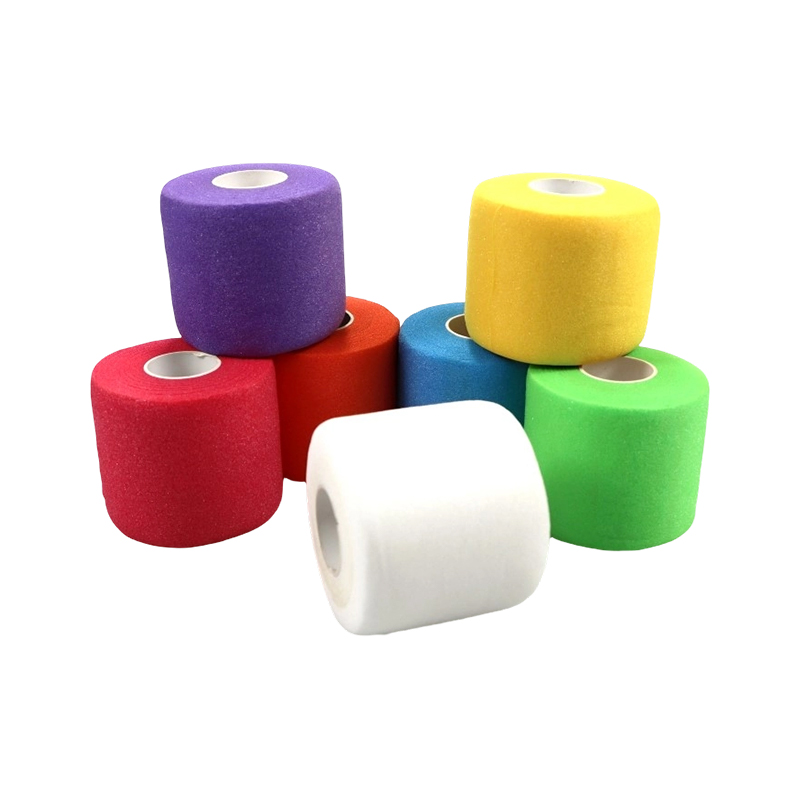
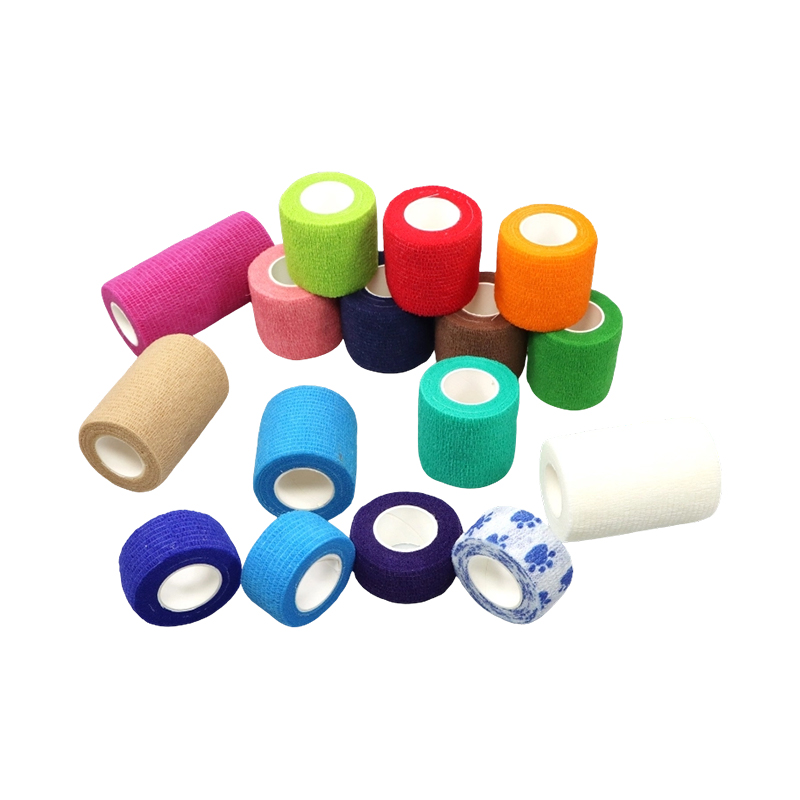
Les bandages élastiques auto-adhésifs sont des pansements médicaux auto-adhésifs et élastiques principalement utilisés pour panser et protéger les plaies, favorisant ainsi la cicatrisation des plaies. Leurs principales fonctions comprennent la sécurisation et la protection des plaies, la prévention de l’intrusion bactérienne et la promotion de la cicatrisation des plaies. Les bandages élastiques auto-adhésifs sont généralement fabriqués à partir de matériaux élastiques et d’adhésifs médicaux de haute qualité. Ils sont généralement constitués d'une structure multicouche, comprenant une couche de pansement en contact avec la plaie, une couche élastique intermédiaire et une couche protectrice externe.
Shanghai Qinghong Healthcare Products Co., Ltd. située dans le district de Jiading, à Shanghai, est un fabricant et fournisseur leader spécialisé dans les bandages élastiques et les rubans de sport de haute qualité. Jiangsu Qinghong Healthcare Products Co., Ltd., dont le siège social est situé dans la ville de Suqian, province du Jiangsu, s'engage à fournir des bandages autocollants de haute qualité, du ruban de kinésiologie et du ruban de sport en coton à ses clients du monde entier depuis sa création en 2018. En tirant parti de solides capacités de R&D, d’un contrôle qualité rigoureux et d’un service centré sur le client, nous sommes devenus un partenaire de confiance dans l’industrie.
Donner aux athlètes les moyens de repousser leurs limites en toute confiance
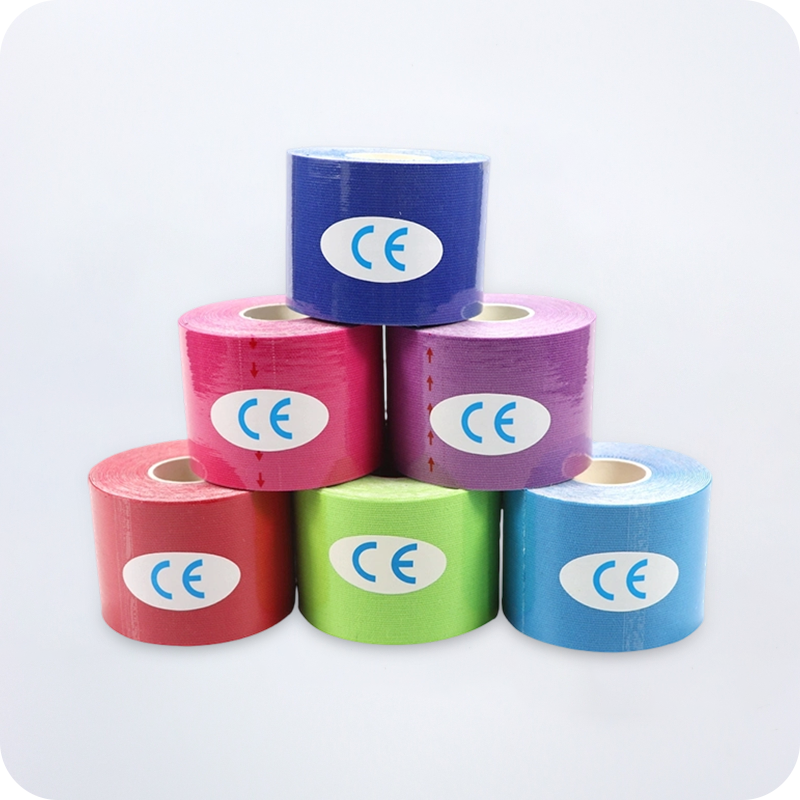
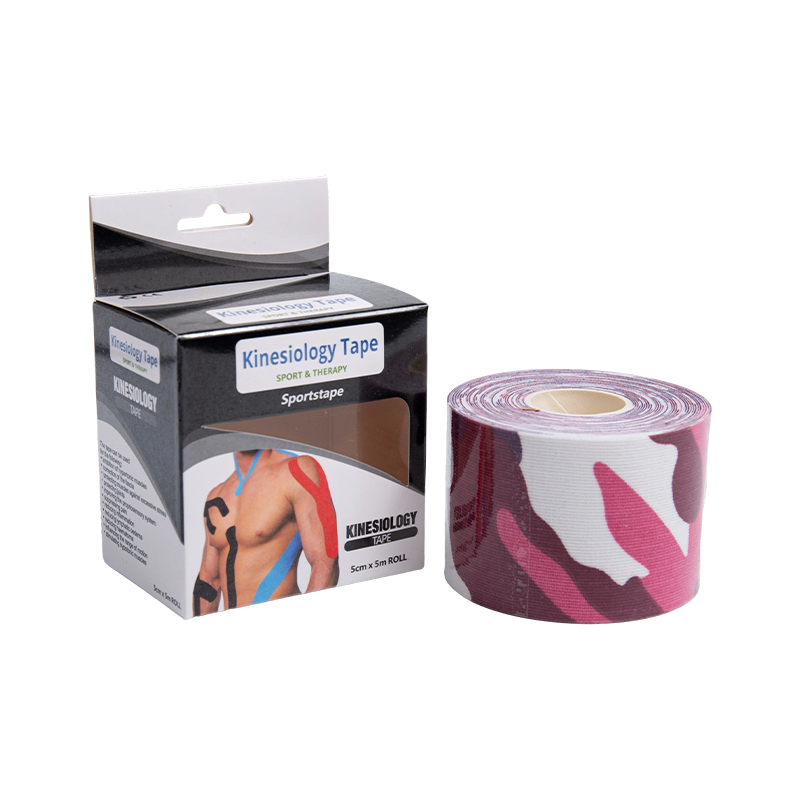
Notre ruban de kinésiologie offre un soutien dynamique, permettant une libre circulation sans restriction tout en améliorant efficacement la fonction musculaire et la circulation sanguine. Nos bandages sportifs, quant à eux, offrent une fixation et une stabilité fiables aux articulations lors d'activités de haute intensité, prévenant efficacement les entorses et les foulures. Des amateurs de sport aux athlètes professionnels, nous offrons une protection professionnelle digne de confiance tant pour l'entraînement que pour les compétitions.
N'hésitez pas à nous contacter lorsque vous avez besoin de nous ! Que vous le vouliez
pour devenir notre partenaire ou avoir besoin de nos conseils ou de notre soutien professionnels
dans la sélection de produits et la résolution de problèmes, notre équipe professionnelle est
toujours prêt à vous aider.
Comment bander les doigts pour le BJJ et le Jiu-Jitsu : un guide complet pour la prévention des blessures
Le Jiu-Jitsu brésilien (BJJ) et le Jiu-Jitsu imposent des exigences extrêmes aux doigts. La préhension répétitive du gastro, la traction soudaine et les prises défensives exposent les articulations des doigts à des entorses, des lésions ligamentaires et une arthrite à long terme. Un bon enregistrement n'est pas seulement une mesure de soutien, c'est la pierre angulaire de la prévention des blessures pour les grapplers. Ce guide propose une approche technique étape par étape pour coller les doigts pour le JJB, les matériaux de revêtement, les techniques et les méthodes de cerclage avancées pour garder vos mains en sécurité sur les tapis.
Utilisation de haute qualité Bandage de protection des doigts et spécialisé bande de doigt bjj peut réduire considérablement le risque d’entorses aiguës et de lésions articulaires chroniques. Vous trouverez ci-dessous tout, du Buddy Taping à la méthode X-wrap, étayé par des exemples pratiques et des données.
Pourquoi les athlètes BJJ sont sujets aux blessures aux doigts
La nature agrippante du BJJ sollicite à plusieurs reprises les articulations interphalangiennes proximales (PIP) et métacarpophalangiennes (MCP). Une enquête menée en 2019 auprès de 482 grapplers a révélé que 63 % d'entre eux ont signalé des douleurs chroniques aux doigts et 41 % ont subi au moins une entorse aiguë nécessitant un arrêt de l'entraînement. Les lésions des ligaments collatéraux, souvent appelées « doigts coincés », sont les plus courantes, suivies des foulures des tendons fléchisseurs et de la capsulite.
bjj doigts supporter des forces qui dépassent de loin les activités quotidiennes normales. Lorsque vous saisissez un revers de gi avec un poing fermé, les doigts sont soumis à la fois à une compression et à un cisaillement latéral. Au fil du temps, les microtraumatismes répétitifs entraînent l’apparition d’ostéophytes (éperons osseux) et d’une amplitude de mouvement réduite, communément appelée « articulations du JJB ». Le ruban adhésif fournit un support externe, limitant l'extension excessive et les mouvements latéraux sans sacrifier la force de préhension nécessaire pour les étranglements et les balayages.
63%
des grapplers signalent des douleurs chroniques aux doigts
41%
avez subi une entorse aiguë du doigt
Matériaux essentiels et caractéristiques du ruban
Toutes les bandes ne fonctionnent pas pour le grappling. L'idéal bande de doigt de jiu jitsu doit être respirant, offrir une résistance élevée à la traction et rester adhéré à la sueur et à la friction. Vous trouverez ci-dessous une comparaison des types de bandes couramment utilisés en BJJ.
Type de bande
Largeur
Élasticité
Idéal pour
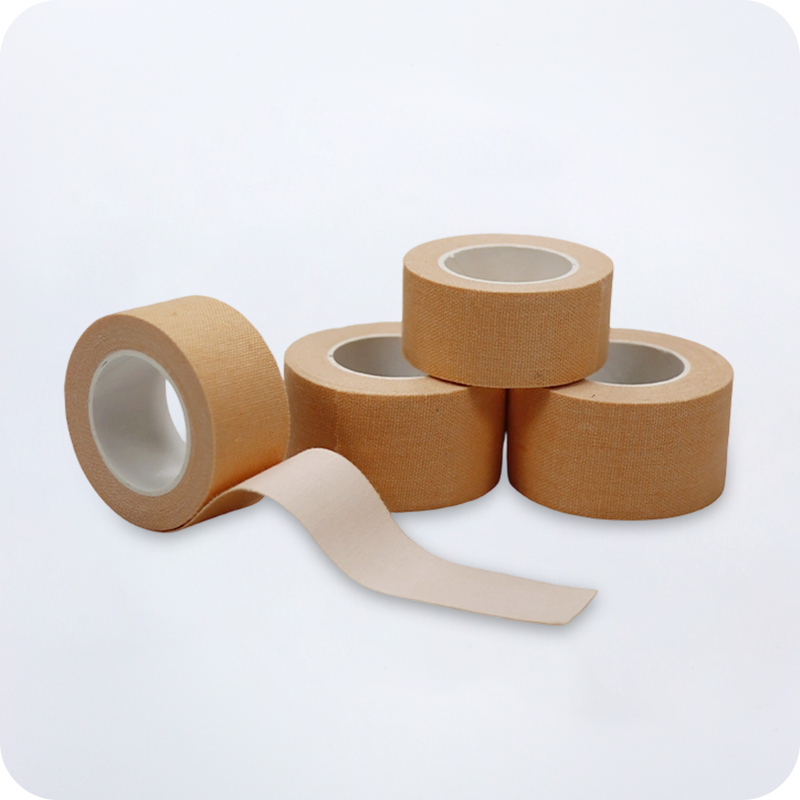
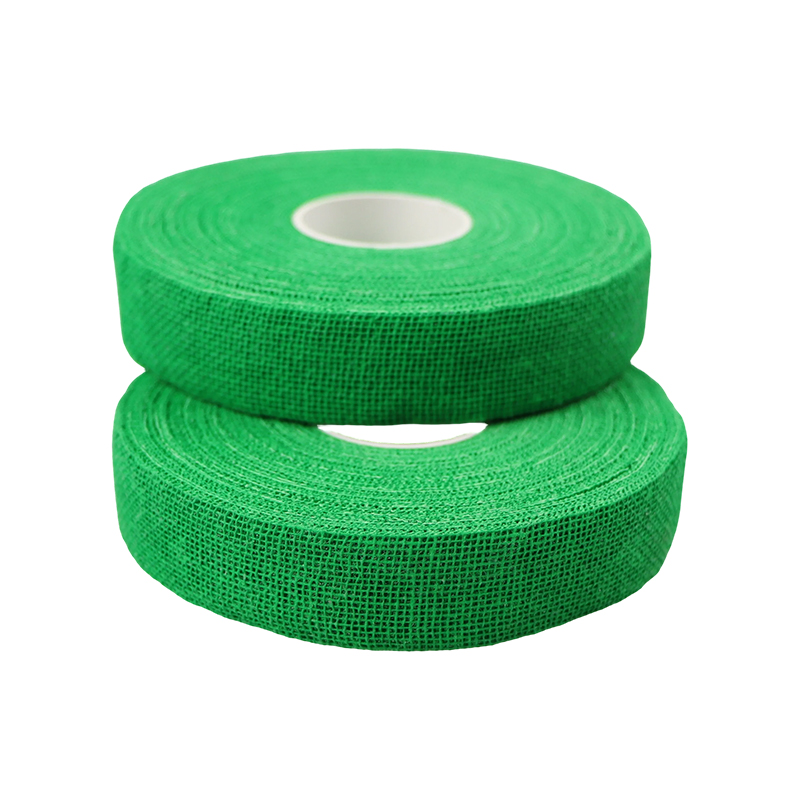
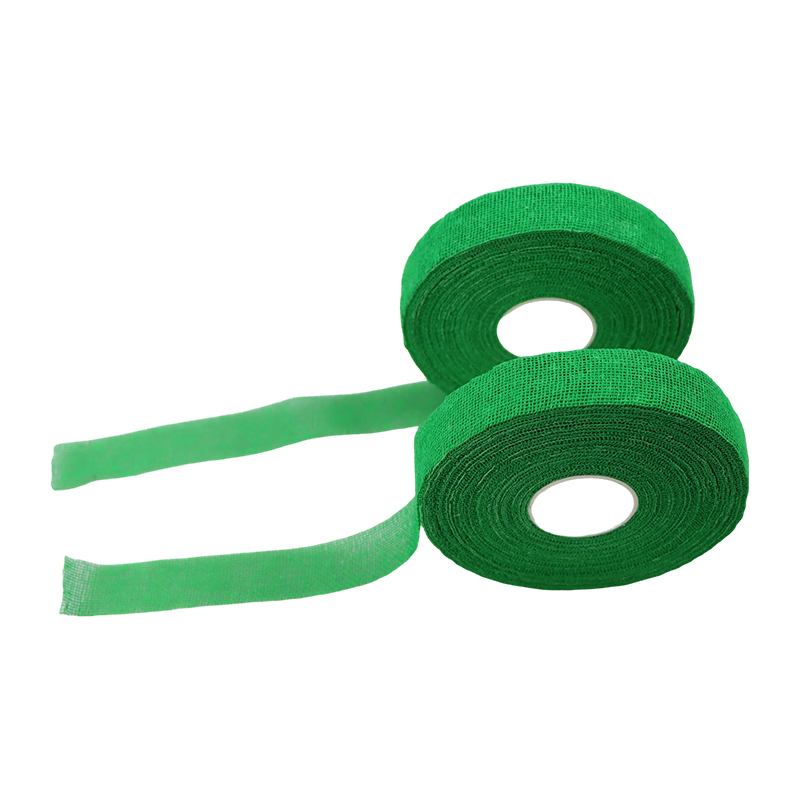
Bande athlétique en coton
1,25 cm (0,5")
Non élastique
Ruban adhésif stable, support rigide
Ruban d'oxyde de zinc
1,9 cm (0,75")
Faible élasticité
X-wrap, articulations des doigts
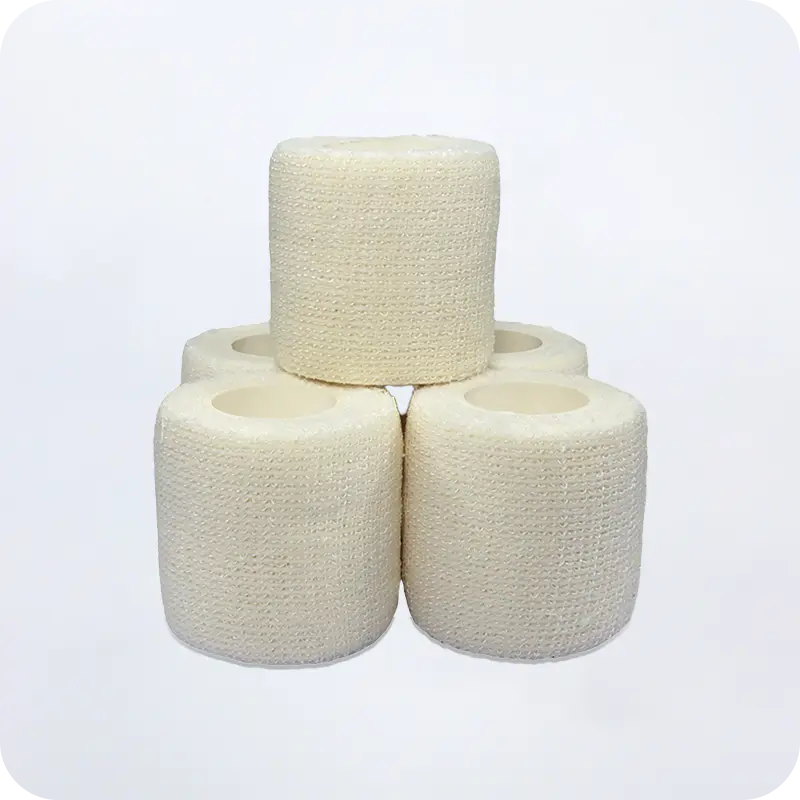
Pansement adhésif élastique
2,5 cm (1")
Modéré (30 % d'étirement)
Contrôle de la compression et du gonflement
Prime bande de jiu jitsu
1,25 à 1,9 cm
Aucun / faible
Enregistrement BJJ tout usage
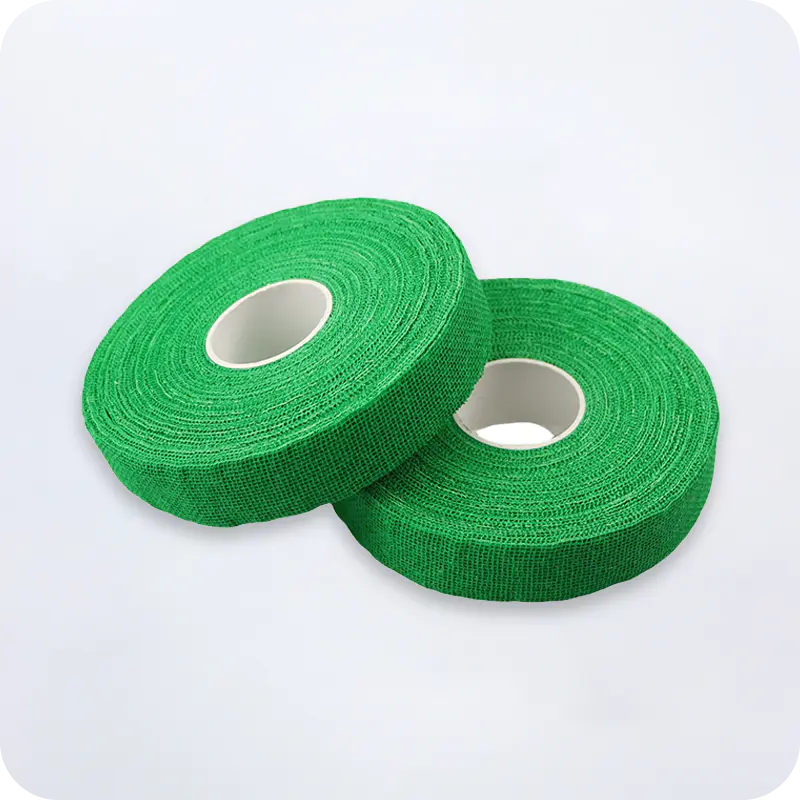
De nombreux grapplers expérimentés préfèrent bande de singe bjj produits de style car ils offrent une finition mate qui ne glisse pas lorsqu’elle est mouillée. Cependant, n’importe quel ruban en coton ou en rayonne de haute qualité avec un adhésif agressif à l’oxyde de zinc fera l’affaire. Évitez les rubans en plastique : ils provoquent une macération cutanée et manquent de respirabilité.
Techniques d'enregistrement : de base à avancée
Le X-Wrap (Cross‑Taping) pour le support d'un seul doigt
La méthode X‑wrap renforce l'articulation PIP tout en préservant la flexion. C'est idéal pour comment scotcher les doigts bjj lorsque vous ressentez des douleurs articulaires générales ou que vous souhaitez prévenir une hyperextension.
Découpez une bande de 15 à 20 cm de bande de doigt bjj . Déchirez le dernier cm dans le sens de la longueur pour créer une queue fendue.
Enroulez la queue autour de la base du doigt (phalange proximale) deux fois, en fixant l'ancre.
Passez le ruban en diagonale sur le joint PIP, puis autour du doigt dans la direction opposée, en formant un « X » sur le joint.
Terminez par un enveloppement circulaire complet juste en dessous de l'ongle (phalange distale), puis redescendez jusqu'à la base, en chevauchant l'ancre.
Assurez-vous que la tension est ferme mais pas contraignante. Le doigt doit toujours pouvoir serrer le poing.
Buddy Taping pour une stabilité latérale
Mon pote tape les doigts est la référence en matière d’entorse des ligaments collatéraux. En collant un doigt blessé sur un doigt sain adjacent, vous limitez les mouvements latéraux tout en permettant la flexion. Pour le BJJ, cette technique répartit également les forces de préhension sur deux chiffres.
Utilisez 1,25 cm bjj enregistrant les doigts bande. Placez un petit morceau de gaze ou de mousse entre les doigts pour éviter la macération cutanée.
Appliquez une enveloppe d’ancrage juste en dessous de la phalange proximale des deux doigts (la plus proche de la paume).
Appliquez une deuxième bande d'ancrage juste en dessous des articulations interphalangiennes distales (près du bout du doigt).
Ajoutez une boucle en huit autour des deux doigts pour plus de stabilité si nécessaire.
Une étude de médecine sportive de 2022 a montré que le Buddy Taping réduit la déviation latérale de 47 % sans limiter la force de préhension de plus de 12 %, ce qui le rend très efficace pour les grapplers revenant d'une entorse légère.
Tissage de panier à doigts complets pour une instabilité chronique
Pour les athlètes souffrant d’hypermobilité préexistante ou de « jointures BJJ » chroniques, un motif tressé offre une protection supérieure. Cette méthode intègre le X‑wrap avec des ancrages proximaux et distaux, créant ainsi un manchon semi-rigide. Il est recommandé uniquement pour les compétitions ou les entraînements intensifs car il réduit légèrement le retour tactile.
Comment appliquer le ruban adhésif BJJ – étape par étape
Vous trouverez ci-dessous un protocole universel qui fonctionne pour la plupart des styles d'enregistrement. Appliquez toujours le ruban adhésif sur une peau propre, sèche et sans poils (ou utilisez un sous-vêtement fin pour les peaux sensibles).
1. Déchirez le ruban sans utiliser de ciseaux (crée un bord propre et micro-dentelé qui adhère mieux).
2. Commencez avec une ancre circulaire complète juste en dessous de l’ongle ; ne couvrez pas le lit de l’ongle.
3. Superposez chaque couche sur 50 % de la largeur du ruban pour éviter les espaces qui accumulent la sueur.
4. Pour protéger les articulations, gardez le doigt légèrement fléchi (15 à 20 degrés) pendant l'application.
5. Après avoir enregistré, serrez le poing et ouvrez complètement la main. La bande ne doit pas provoquer d'engourdissement ou de décoloration.
Exemple concret : une ceinture violette présentant des entorses récurrentes de l'index est passée d'un ruban adhésif uniquement à un X wrap renforcé par une ancre distale. Sur 8 semaines d'entraînement (4 séances/semaine), elle n'a signalé aucune nouvelle blessure aiguë et une réduction de 70 % de la douleur post-entraînement, mesurée sur une échelle visuelle analogique.
Cerclage avancé pour les doigts blessés
Lorsque vous revenez d'une entorse du ligament collatéral de grade I ou II, le bandage standard peut ne pas suffire. Utilisez une technique hybride :
Ancrage rigide à la base avec ruban d'oxyde de zinc non élastique.
Coussinet en fer à cheval (un morceau de ruban plié placé sur le côté sensible de l'articulation) pour créer une pression localisée et empêcher une ouverture latérale complète.
Bandes circonférentielles superposées de la phalange médiane à la tête métacarpienne, formant un semi-casting.
Ceci protection des doigts pour grappin la configuration est souvent utilisée par les compétiteurs professionnels au cours des dernières semaines avant un tournoi. Cependant, il doit être retiré immédiatement après l'entraînement pour permettre la mobilité articulaire et la récupération cutanée.
Prévenir les entorses et la santé des articulations à long terme
Bien que le taping soit excellent pour une protection aiguë, il ne remplace pas un travail de force et de mobilité. Intégrez les exercices suivants à votre routine pour réduire le recours à la bande :
Formation au seau de riz – ouvrez et fermez votre main contre résistance pendant 2 minutes par jour.
Extensions de doigts avec élastique – renforcer les muscles intrinsèques qui s’opposent à la préhension.
Curls de poignet et curls de poignet inversés – améliorer la résilience globale de l’avant-bras.
Les données d'une intervention de 12 semaines auprès de 34 athlètes de BJJ ont montré que l'ajout d'exercices d'extension des doigts réduisait l'incidence de prévenir les entorses des doigts en BJJ de 52 % par rapport à un groupe témoin qui a uniquement enregistré. Le ruban adhésif et le conditionnement sont la stratégie optimale.
À retenir : le ruban adhésif soutient passivement les articulations, mais le renforcement actif crée une résilience à long terme. Utilisez les deux.
Erreurs courantes d'enregistrement et comment les éviter
Erreur 1 : Taper le doigt bien droit → perte de préhension fonctionnelle. Solution : appliquez le ruban adhésif avec le doigt dans une position naturelle semi-fléchie (l'angle « gi grip »).
Erreur 2 : Utiliser du scotch trop large (ex. 2,5 cm sur un petit doigt) → plissements et irritations cutanées. Fix : 1,25 cm pour les doigts 2 à 4, 1,9 cm pour le pouce.
Erreur 3 : Réutiliser le ruban adhésif ou le laisser poser > 3 heures → croissance bactérienne et adhérence affaiblie. Correctif : appliquez toujours du ruban adhésif neuf avant chaque séance d'entraînement.
Erreur 4 : Ignorer les signes d'engourdissement ou de froid → compression excessive. Correctif : retapez le ruban avec moins de tension.
Foire aux questions (FAQ)
Q1 : À quelle fréquence dois-je remplacer le ruban adhésif pendant l'entraînement ?
Remplacez le ruban adhésif toutes les 2 à 3 heures d'entraînement continu ou immédiatement s'il devient lâche, mouillé ou effiloché. Ne réutilisez jamais le ruban adhésif – les bactéries présentes sur les tapis peuvent provoquer des infections cutanées.
Q2 : Puis-je utiliser du ruban adhésif sportif ordinaire en pharmacie pour le JJB ?
Oui, mais recherchez du ruban d’oxyde de zinc non élastique en coton. Évitez les bandages « cohésifs » en plastique ou élastiques : ils se déplacent sous l’effet de la friction. Le meilleur bande de doigt d'arts martiaux a un tissage adhésif puissant et respirant.
Q3 : Le ruban adhésif réduira-t-il ma force de préhension ?
Un ruban adhésif approprié ne devrait pas réduire l’adhérence fonctionnelle. Un ruban adhésif trop serré peut limiter la flexion, mais un ruban X‑wrap ou un ruban adhésif correctement appliqué préserve 90 à 95 % de la force de préhension maximale. Une étude de 2021 n’a trouvé aucune différence significative dans la force de traction gi entre les doigts scotchés et non scotchés.
Q4 : Quelle est la meilleure façon de retirer le ruban adhésif sans endommager la peau ?
Utilisez de petits ciseaux pointus pour couper le ruban le long du côté du doigt, puis décollez-le de l'ongle vers la paume. Appliquez de l'huile minérale ou de l'huile pour bébé sur le bord adhésif pour le desserrer si nécessaire.
Q5 : Puis-je coller plusieurs doigts sur une seule main ?
Absolument. De nombreux joueurs de BJJ collent leur majeur et leur annulaire sur les deux mains, car ces chiffres supportent le plus de charge lors des prises du col et des manches. Faites simplement attention à la mobilité totale de la main ; si vous collez plus de trois doigts, vous risquez de perdre la dextérité pour les prises complexes.
Q6 : L’enregistrement est-il nécessaire pour l’entraînement sans gi ?
Le No‑gi réduit les traumatismes des doigts car il n'y a pas de tissu à saisir, mais des poignées de poignet et des combats de mains inattendus peuvent toujours provoquer des entorses. De nombreux athlètes préfèrent les plus légers bande de doigt bjj ou uniquement du ruban adhésif pour les doigts déjà blessés lors des séances sans gi.
Conclusion : faites de l'enregistrement une habitude, pas une réflexion après coup
Apprentissage comment scotcher les doigts bjj correctement, il faut de la pratique, mais l'investissement est récompensé par des années d'entraînement sans douleur. Que vous utilisiez un simple X‑wrap, un Buddy Taping ou un cerclage avancé, l'objectif est de soutenir la biomécanique naturelle des doigts sans restreindre les mouvements essentiels. Combinez l'enregistrement avec un renforcement dédié des mains et écoutez les signes avant-coureurs : douleur, clic ou gonflement. Pour une protection fiable, choisissez toujours un bandage de protection des doigts et suivez les techniques décrites ci-dessus. Vos doigts sont votre outil le plus important sur le tapis ; protégez-les comme les instruments précieux qu’ils sont.






 English
  русский
  Français
  Español
  عربى
عربى 

 FR
FR