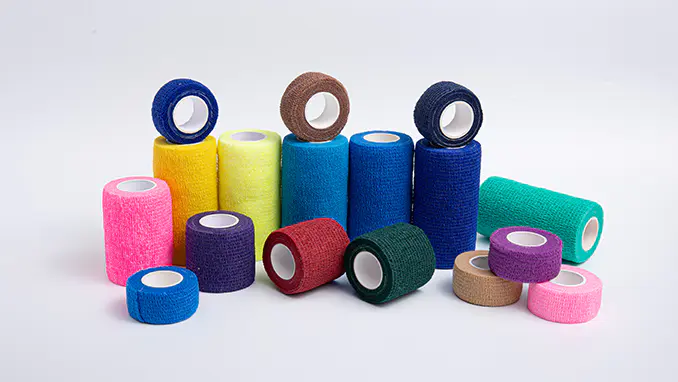
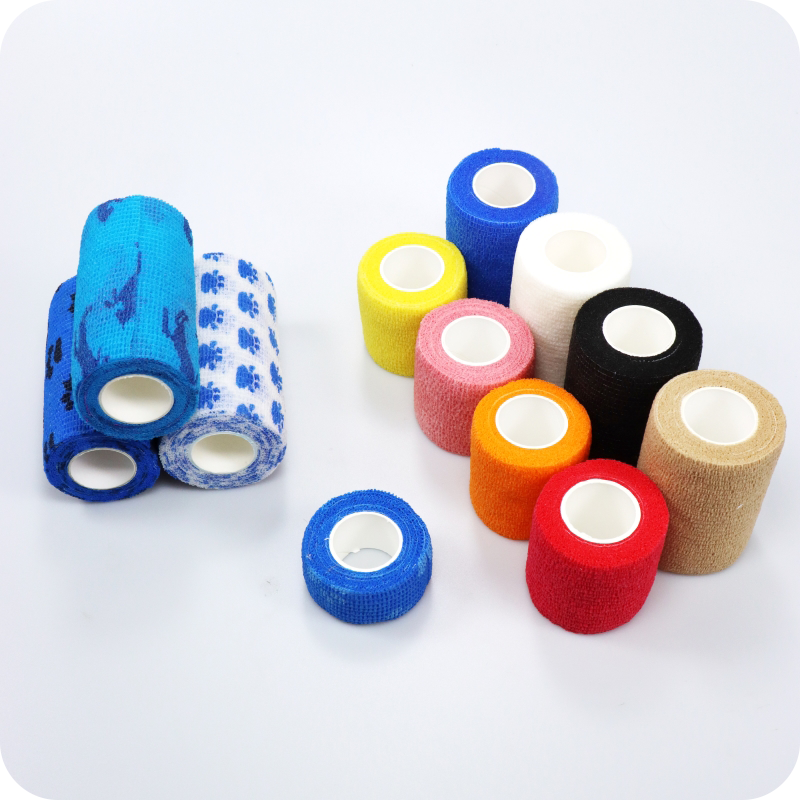
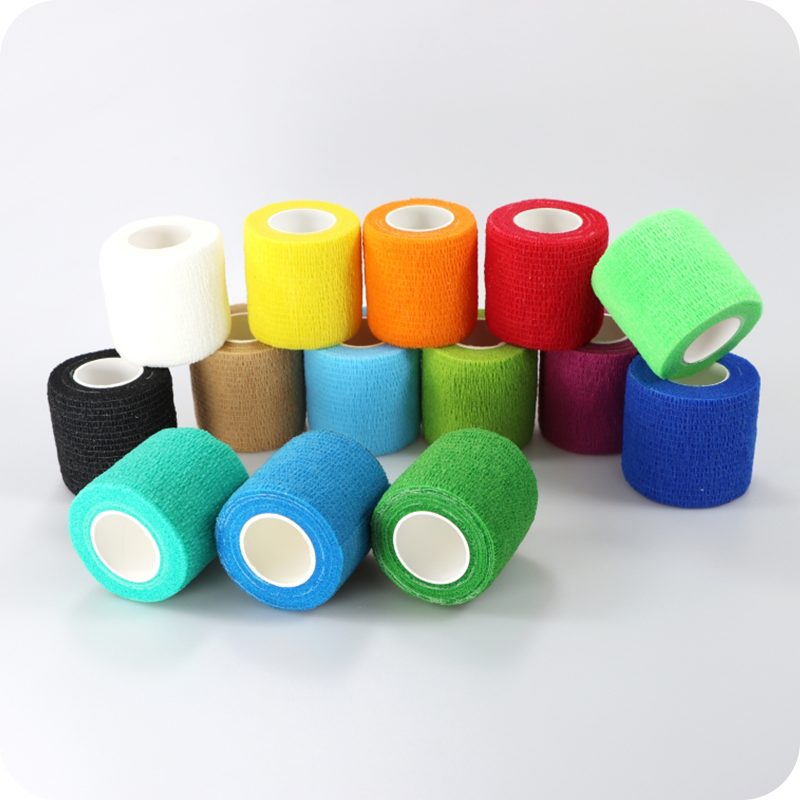
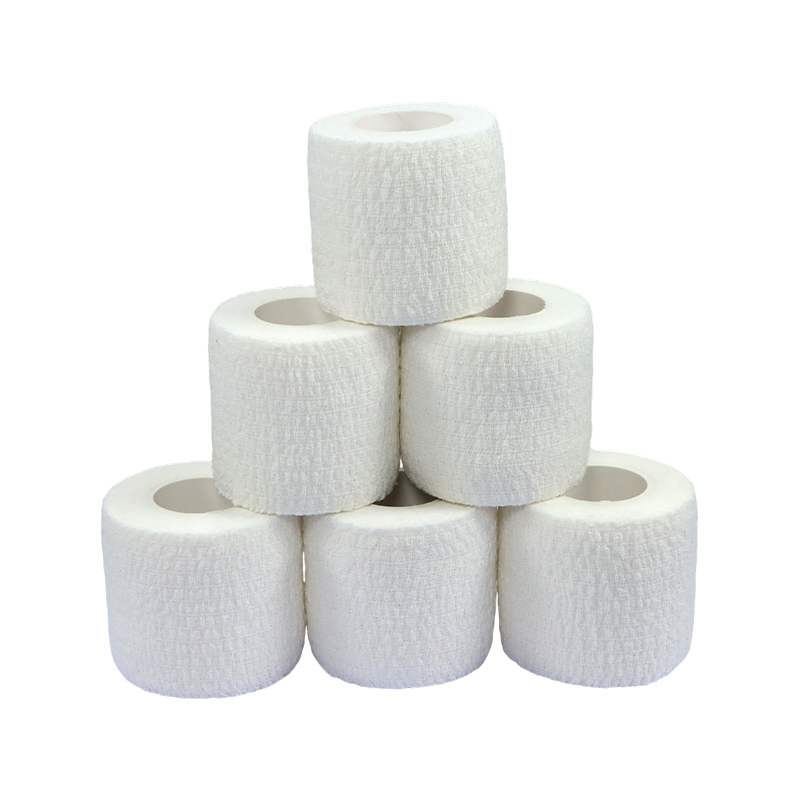
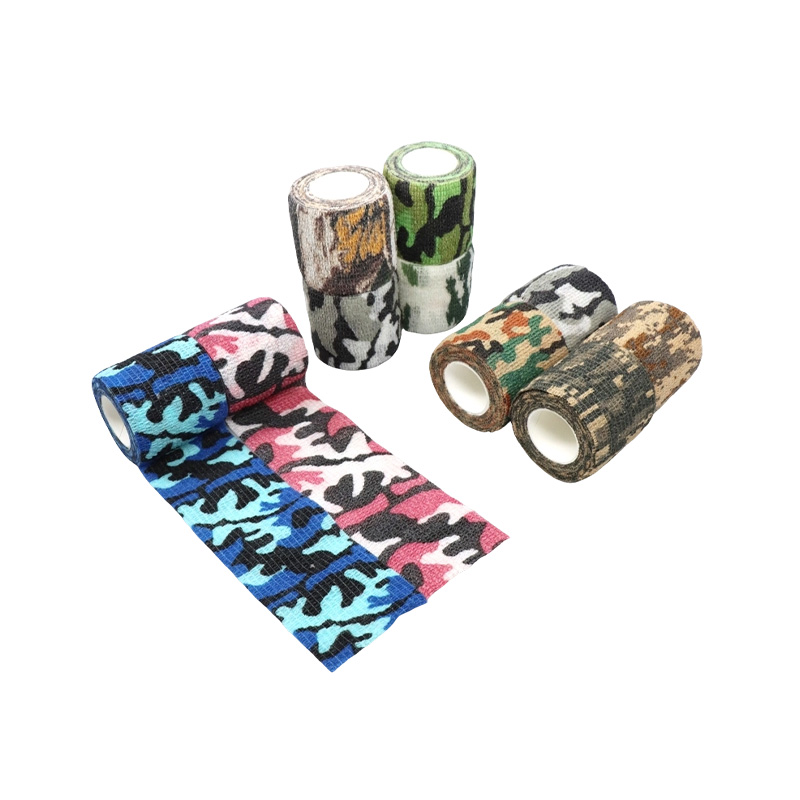
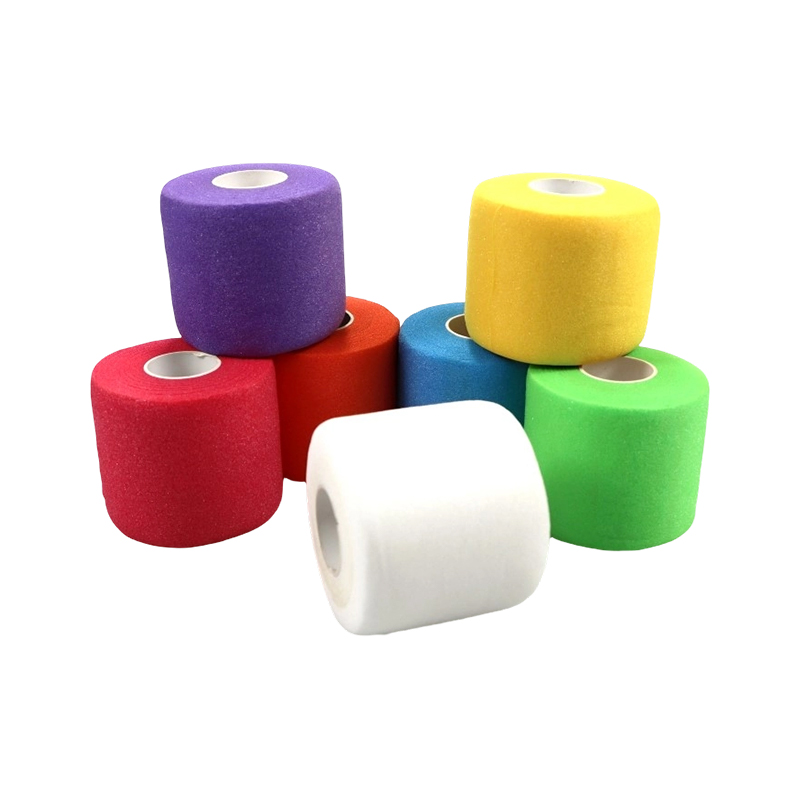
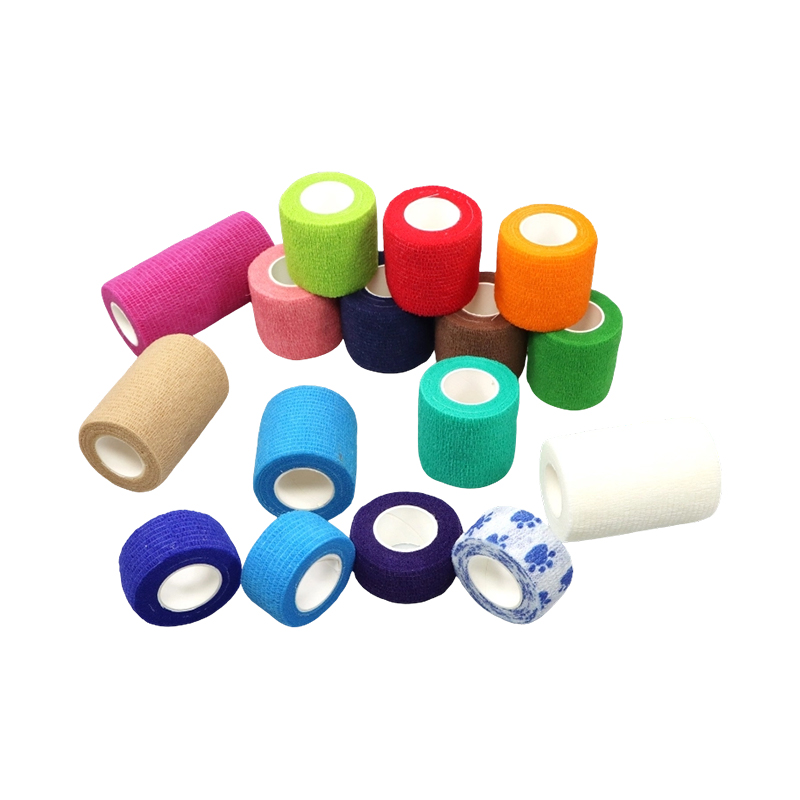
Les bandages élastiques auto-adhésifs sont des pansements médicaux auto-adhésifs et élastiques principalement utilisés pour panser et protéger les plaies, favorisant ainsi la cicatrisation des plaies. Leurs principales fonctions comprennent la sécurisation et la protection des plaies, la prévention de l’intrusion bactérienne et la promotion de la cicatrisation des plaies. Les bandages élastiques auto-adhésifs sont généralement fabriqués à partir de matériaux élastiques et d’adhésifs médicaux de haute qualité. Ils sont généralement constitués d'une structure multicouche, comprenant une couche de pansement en contact avec la plaie, une couche élastique intermédiaire et une couche protectrice externe.
Shanghai Qinghong Healthcare Products Co., Ltd. située dans le district de Jiading, à Shanghai, est un fabricant et fournisseur leader spécialisé dans les bandages élastiques et les rubans de sport de haute qualité. Jiangsu Qinghong Healthcare Products Co., Ltd., dont le siège social est situé dans la ville de Suqian, province du Jiangsu, s'engage à fournir des bandages autocollants de haute qualité, du ruban de kinésiologie et du ruban de sport en coton à ses clients du monde entier depuis sa création en 2018. En tirant parti de solides capacités de R&D, d’un contrôle qualité rigoureux et d’un service centré sur le client, nous sommes devenus un partenaire de confiance dans l’industrie.
Donner aux athlètes les moyens de repousser leurs limites en toute confiance
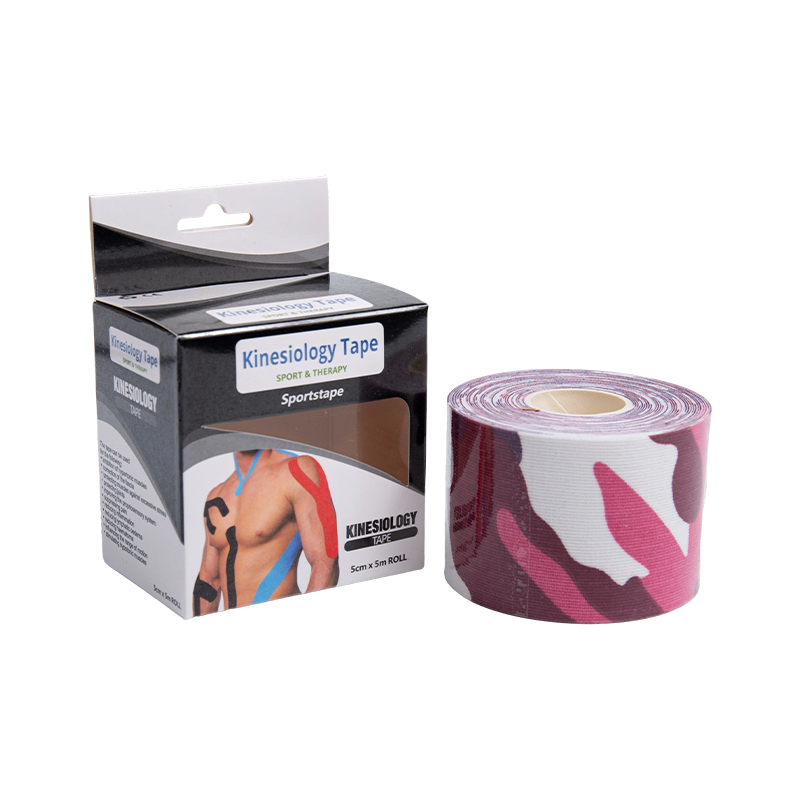
Notre ruban de kinésiologie offre un soutien dynamique, permettant une libre circulation sans restriction tout en améliorant efficacement la fonction musculaire et la circulation sanguine. Nos bandages sportifs, quant à eux, offrent une fixation et une stabilité fiables aux articulations lors d'activités de haute intensité, prévenant efficacement les entorses et les foulures. Des amateurs de sport aux athlètes professionnels, nous offrons une protection professionnelle digne de confiance tant pour l'entraînement que pour les compétitions.
N'hésitez pas à nous contacter lorsque vous avez besoin de nous ! Que vous le vouliez
pour devenir notre partenaire ou avoir besoin de nos conseils ou de notre soutien professionnels
dans la sélection de produits et la résolution de problèmes, notre équipe professionnelle est
toujours prêt à vous aider.
Qu'est-ce que la bande athlétique et comment soutient-elle réellement le corps d'un athlète ?
Comprendre la bande athlétique au-delà des vestiaires
Passez devant n'importe quelle salle d'entraînement, salle de sport ou banc de touche et vous verrez probablement des bandes de ruban adhésif enroulées autour d'une cheville, d'un poignet ou d'une épaule. Ce spectacle familier soulève une question pratique pour quiconque débute en médecine sportive : que fait réellement le ruban adhésif sous la peau, et pourquoi les entraîneurs et les physiothérapeutes le traitent-ils comme un élément de routine de la préparation plutôt que comme une solution d'urgence ?
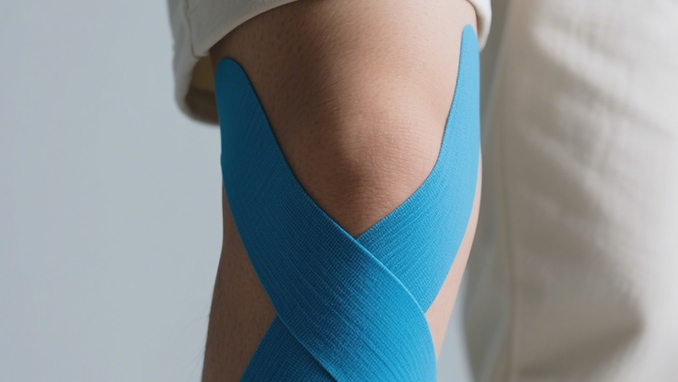
Le ruban athlétique est un matériau de soutien appliqué directement sur la peau sur les articulations, les muscles ou les tendons. Il est conçu pour restreindre les mouvements indésirables, ajouter une légère compression et donner un retour proprioceptif au système nerveux. Contrairement à un corset rigide, il bouge avec le corps tout en limitant les mouvements dans des directions spécifiques. Cet équilibre entre soutien et mobilité est la raison pour laquelle cette pratique est restée un élément standard de la préparation sportive pendant des décennies.
Instantané rapide
Objectif principal : stabilisation des articulations, soutien musculaire et réduction du risque de blessure pendant l'activité.
Utilisateurs courants : athlètes, physiothérapeutes, danseurs, travailleurs manuels et patients en rééducation.
Sites d'application typiques : chevilles, genoux, épaules, poignets et bas du dos.
Comment la bande athlétique agit-elle réellement sur le corps ?
Pour comprendre le rôle du ruban athlétique, il est utile de séparer trois mécanismes qui fonctionnent en même temps une fois qu'une bande est appliquée correctement.
Restriction mécanique : Le ruban rigide limite la distance dans laquelle une articulation peut se déplacer dans une direction spécifique, ce qui réduit le risque de surextension lors d'un pivot ou d'un atterrissage soudain.
Contrôle de la compression et du gonflement : Un enveloppement ferme peut réduire légèrement l'enflure locale après une tension mineure en limitant l'accumulation de liquide autour du tissu blessé.
Rétroaction proprioceptive : La peau contient des récepteurs sensoriels qui détectent les étirements et la pression. La bande stimule ces récepteurs, ce qui rappelle au muscle de s'activer plus tôt et aide l'athlète à détecter plus précisément la position des articulations lors d'un mouvement rapide.
Les recherches résumées par les associations de médecine du sport soulignent systématiquement cet effet proprioceptif comme l'un des bénéfices les plus mesurables, en particulier pour les chevilles ayant des antécédents d'entorses. Une articulation soutenue réagit plus rapidement à un atterrissage difficile car le système nerveux reçoit un signal d'alerte précoce de la peau scotchée.
Rigide ou élastique : deux outils différents pour deux tâches différentes
Toutes les bandes disponibles sur le marché ne se comportent pas de la même manière. Avant de choisir un produit tel que Bande de cerclage de sport , cela permet de comprendre la différence mécanique entre les deux catégories dominantes.
Caractéristique
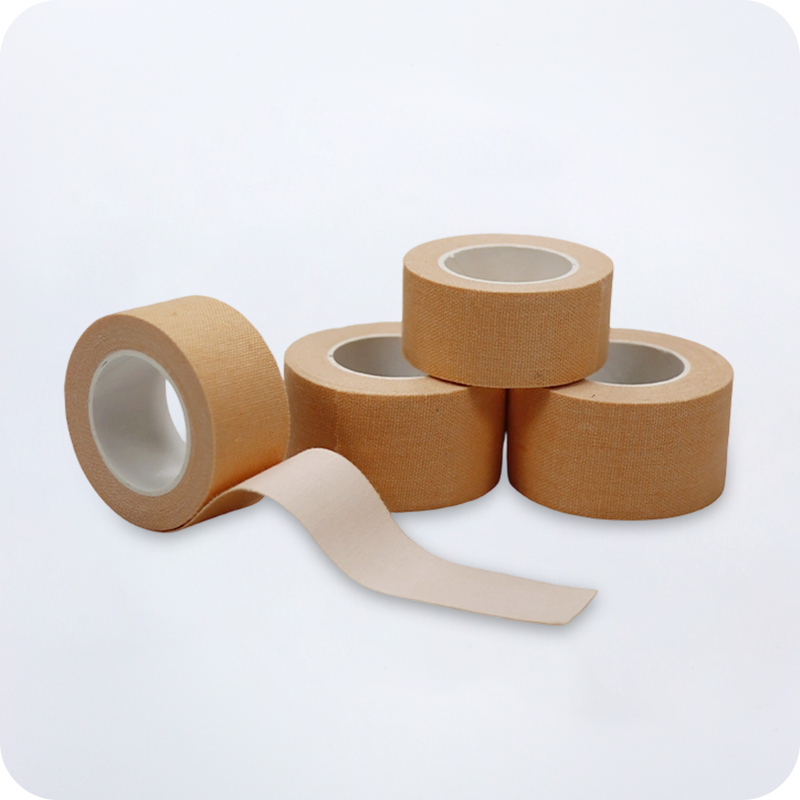
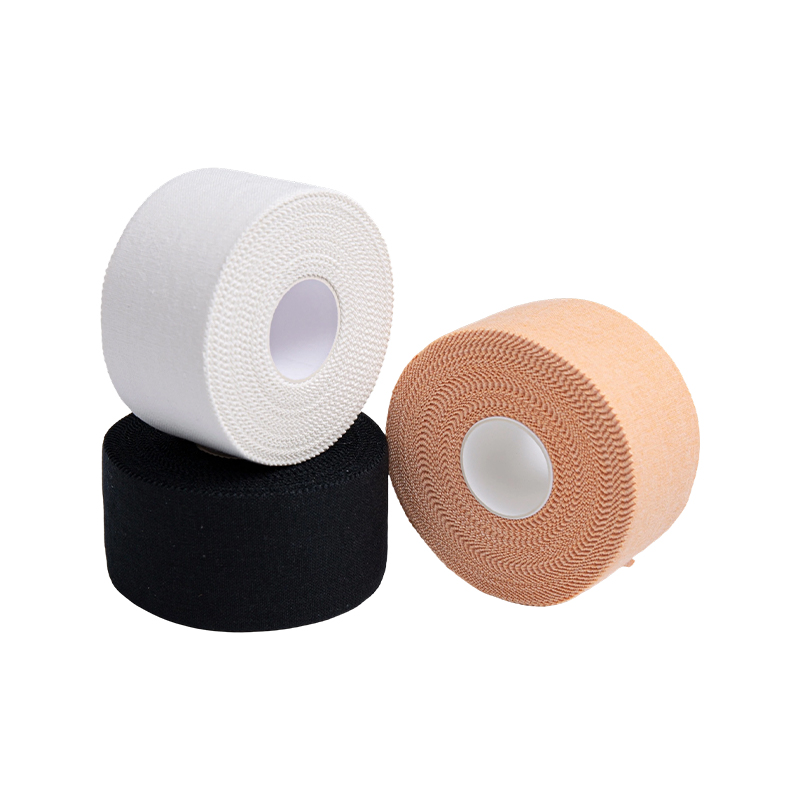
Ruban de cerclage rigide
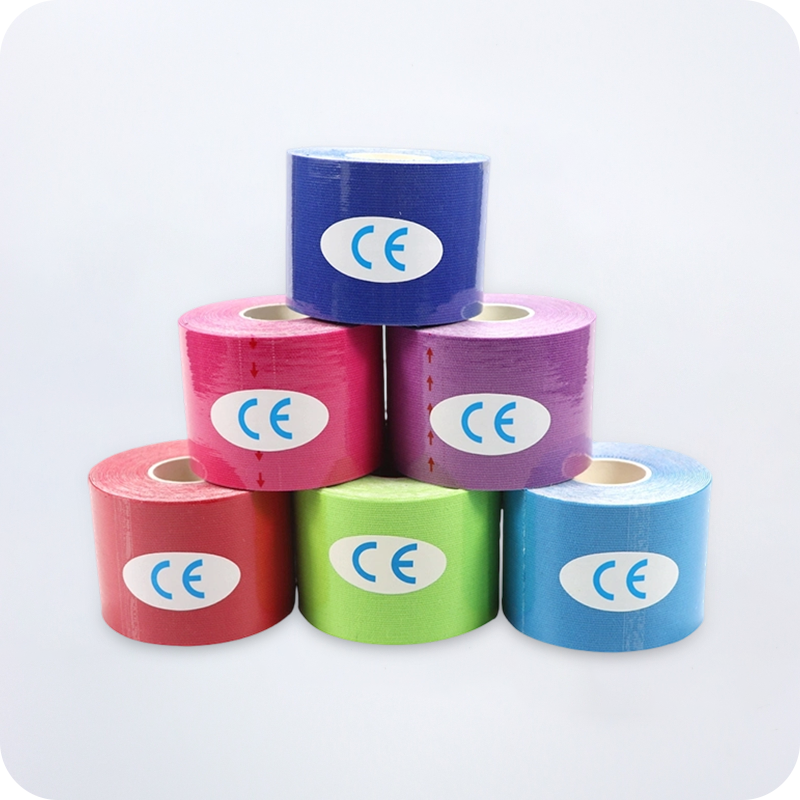
Bande élastique de kinésiologie
Étirer
Peu ou pas du tout
Élevé, imite l'élasticité de la peau
Objectif principal
Restreindre les mouvements articulaires
Soutenir les muscles sans bloquer les mouvements
Utilisation typique
Entorses aiguës, stabilité de la cheville
Fatigue musculaire, foulures légères
Durée d'usure
Un entraînement ou un match
Plusieurs jours
Sensation de peau
Ferme, structuré
Léger, respirant
Choisir entre les deux est moins une question de marque que d’objectif. Si la priorité est de bloquer une amplitude de mouvement spécifique après une blessure articulaire, un ruban athlétique pour blessure est le choix standard. Si l’objectif est un soutien musculaire doux lors de blocs d’entraînement de plusieurs jours, une option élastique est généralement préférée.
À quoi sert la bande athlétique ? Applications courantes
Les utilisations du ruban athlétique s’étendent bien au-delà d’une cheville tordue. Vous trouverez ci-dessous une liste des situations dans lesquelles le taping est régulièrement appliqué dans les salles de formation et les cliniques.
Stabilité de la cheville : L'application la plus courante, utilisée à la fois de manière préventive avant une activité et de manière réactive après une entorse.
Épaule athlétique : Soutient la capsule articulaire lors des sports aériens comme le volley-ball, la natation et les épreuves de lancer.
Soutien du bas du dos : Le ruban athlétique pour les maux de dos est utilisé pour réduire la flexion lombaire excessive lors de sports lourds ou répétitifs.
Protection du poignet et du pouce : Fréquent dans les sports de raquette et les sports de combat où l'hyperextension constitue un risque.
Suivi du genou : Aide à guider le mouvement de la rotule chez les coureurs confrontés à de légers problèmes de suivi.
Les physiothérapeutes notent souvent que le taping est plus efficace dans le cadre d'un plan plus large incluant un travail de renforcement et de mobilité, et non comme solution autonome à la douleur chronique.
Comment mettre du ruban athlétique ? Un aperçu étape par étape
Une application correcte compte autant que le choix du ruban adhésif. Une mauvaise technique peut réduire la circulation ou ne pas fournir de réel soutien. Vous trouverez ci-dessous une séquence générale utilisée dans la plupart des protocoles d'enregistrement.
Étape
Action
1
Nettoyer et sécher la peau ; enlever les huiles et les cheveux si nécessaire pour l'adhérence
2
Appliquer des bandes d'ancrage au-dessus et au-dessous du joint à soutenir
3
Ajoutez des bandes de support dans le sens qui limite les mouvements indésirables
4
Verrouillez les bandes de support avec des bandes de fermeture horizontales
5
Vérifiez la circulation et l’amplitude des mouvements avant le début de l’activité
La préparation de la peau est souvent l'étape sur laquelle les athlètes se précipitent le plus, mais elle détermine la durée pendant laquelle la bande tient sous la sueur et les mouvements. Une surface sèche et sans huile peut prolonger considérablement la durée de port par rapport à une peau qui n'a pas été nettoyée.
Visualiser le processus d'enregistrement
Le diagramme ci-dessous résume le flux général d'application décrit ci-dessus, de la préparation de la peau au contrôle final de la circulation.
Pourquoi tant d’athlètes portent-ils du ruban noir ?
Le ruban noir porté par les athlètes à la télévision est fonctionnellement identique à toute autre couleur ; l'abat-jour lui-même n'a aucun avantage mécanique. Les couleurs plus foncées sont simplement populaires pour des raisons pratiques : elles cachent la saleté et les taches d'herbe lors des longs matchs, montrent une usure moins visible et, pour certains athlètes, sont devenues un choix esthétique personnel ou d'équipe au fil du temps. Du point de vue du support, la couleur n’a aucune incidence sur la force d’adhésion, l’étirement ou la façon dont le ruban restreint un joint.
Soutien conjoint Prévention des blessures Proprioception Compression
Une brève note sur l'invention du ruban athlétique
Les méthodes de cerclage adhésif pour le soutien des articulations remontent à la médecine sportive du début du XXe siècle, lorsque les entraîneurs ont commencé à expérimenter des bandes adhésives en tissu pour gérer les blessures récurrentes à la cheville et au poignet dans les sports de contact. Au cours des décennies suivantes, le matériau a évolué du simple adhésif pour tissu aux variantes rigides et élastiques spécialisées utilisées aujourd'hui, façonnées par les retours continus des physiothérapeutes et des entraîneurs sportifs travaillant directement avec des athlètes blessés.
Foire aux questions
Q1 : À quoi sert le ruban athlétique ?
Il est utilisé pour soutenir les articulations et les muscles, limiter les mouvements indésirables après une blessure et fournir un retour sensoriel qui peut améliorer l'équilibre et le temps de réaction pendant l'activité.
Q2 : Le ruban athlétique prévient-il réellement les blessures ?
Il peut réduire le risque de nouvelle blessure dans les articulations ayant des antécédents d'entorses en limitant les amplitudes de mouvement extrêmes, bien qu'il ne remplace pas un entraînement approprié de force et de mobilité.
Q3 : Combien de temps le ruban athlétique peut-il être porté ?
Le ruban de cerclage rigide est généralement appliqué pour une seule séance d'entraînement ou un match, tandis que le ruban de kinésiologie élastique peut souvent être porté pendant plusieurs jours en fonction de la sensibilité de la peau et de la qualité de l'adhésion.
Q4 : Le ruban athlétique est-il sans danger pour les peaux sensibles ?
La plupart des gens le tolèrent bien, mais une bonne préparation de la peau et des pauses de retrait périodiques aident à réduire l'irritation des peaux sensibles.
Q5 : Le ruban athlétique peut-il aider à soulager les maux de dos ?
Oui, les techniques de taping appliquées au bas du dos peuvent réduire les mouvements excessifs lors de flexions ou de levages répétitifs, c'est pourquoi le tape athlétique pour les maux de dos est courant dans les sports de force et de terrain.






 English
  русский
  Français
  Español
  عربى
عربى 

 FR
FR